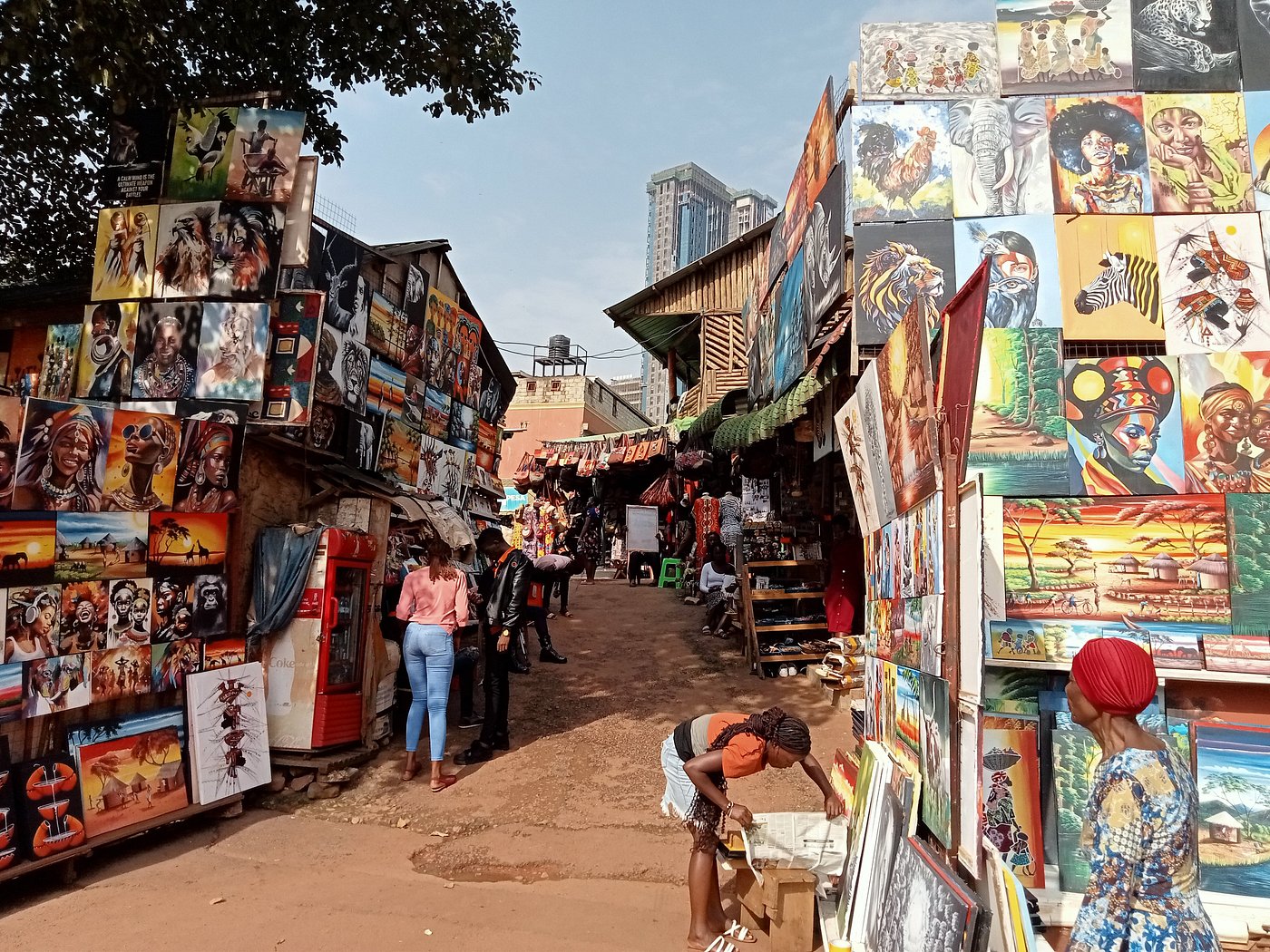





Uganda Remains Safe and Open for Tourism Amid Enhanced Ebola Response Measures
Uganda continues to welcome visitors from around the world, with tourism authorities reaffirming that the country remains safe for travel despite a recent increase in Ebola Virus Disease (EVD) cases linked to cross-border movement from the Democratic Republic of Congo (DRC).
According to the Uganda Tourism Board (UTB), all tourism destinations, accommodation facilities, and tourism-related services across the country remain fully operational. The government has also strengthened surveillance, screening, contact tracing, and response measures to ensure the outbreak remains under control.
UTB Chief Executive Officer Juliana Kagwa reassured travelers, tourism partners, and investors that Uganda remains a safe destination and that there is currently no need to cancel or postpone planned visits. She emphasized that tourism establishments continue to operate normally and are maintaining the necessary health and safety standards for guests.
Health officials reported that as of June 2, Uganda had confirmed 15 Ebola cases. Most of these cases involve individuals who crossed into Uganda from the DRC seeking medical treatment. The Ministry of Health noted that only a small number of Ugandan citizens have been affected, primarily frontline healthcare workers who were directly involved in patient care.
Authorities also highlighted positive progress in containment efforts. A large group of individuals identified as contacts of confirmed cases is expected to complete the mandatory 21-day monitoring period without developing symptoms, demonstrating the effectiveness of ongoing response measures.
To further protect public health, Uganda has intensified screening and monitoring activities, particularly along its western border with the DRC. Additional precautions have been implemented to reduce the risk of new imported cases and to strengthen disease surveillance.
Officials stress that the current situation is largely associated with cross-border transmission rather than widespread community spread within Uganda. This distinction, combined with the country’s robust public health response, has helped maintain confidence in Uganda as a safe and accessible travel destination.
Tourism remains one of Uganda’s most important economic sectors, attracting visitors to its diverse wildlife, mountain gorillas, national parks, cultural heritage sites, and scenic landscapes. Tourism authorities continue to encourage travelers to follow basic public health guidelines, including regular handwashing, use of hand sanitizers, and adherence to any guidance provided by health officials.
Uganda has significant experience managing Ebola outbreaks and has developed strong emergency response and surveillance systems over the years. These systems remain fully active, with health teams closely monitoring the situation and taking the necessary steps to prevent further spread.
Visitors planning to explore Uganda can continue to do so with confidence, knowing that both tourism and health authorities are working together to maintain a safe environment for residents and travelers alike.